

The first thing that comes to most people’s minds when they think of a suit is a sharp, tailored outfit that we wear on formal occasions. But that is not all that “suit” represents anymore. The rules of men’s tailoring have shifted dramatically over the past few years. Times have evolved from when the suit had but one purpose, which was to be worn to the office and other formal meetings. That approach has fallen out of trend, and something more versatile has taken its place.
Men’s wardrobes today need to keep pace with lives that move between meetings, weddings, dinners, dates, and weekend plans, often without time for a wardrobe change in between. M2M has built its approach around this idea, treating the business suit as one of the most flexible pieces a wardrobe can include. The result is a genuinely versatile suit.
Rather than maintaining two separate sets of suits, one for work and one for off-duty occasions, adaptable tailoring now makes it possible to move from a morning meeting to an evening networking event to a relaxed Sunday brunch in the same outfit, without looking out of place in any of them. This “bridging” suit closes the gap between formal and casual wear.
Why versatile suits have become the new trend 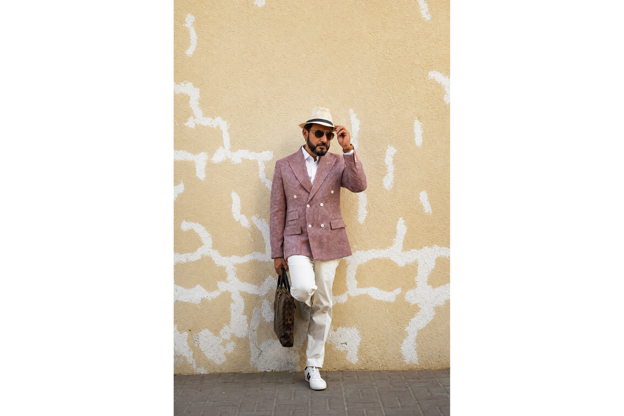
The 9-to-5 culture has changed considerably in recent years. Hybrid schedules, fun Fridays, and after-work plans now leave little time to go home and change outfits. This shift is what has driven men to rethink what a suit is supposed to do. Instead of maintaining separate outfits for different occasions, many are investing in business suits built to work equally well in a client meeting and a dinner reservation, without feeling out of place in either setting.
This isn’t about lowering outfit standards, but about raising expectations for what a single set of garments can deliver. A well-made suit, for instance, can hold its shape through a nine-hour workday and still look sharp at an evening event with nothing more than a tie change.
This is why M2M tailors business suits for men with close attention to cuts and fabrics, designed to move across different parts of the day without added effort.
The secret behind effective transitions of business suits for men: what makes them versatile
Not every business suit is capable of pulling off double duty. Some suits are designed exclusively for formal settings and stand out immediately when worn to an informal event, since their fabrics and finishes tend to be too stiff or too shiny for anything outside a boardroom. Suits built strictly for casual settings work the same way in reverse, often looking too casual for a client meeting. For business suits that can work across more than one type of occasion, a few factors matter most.
Choice of fabric
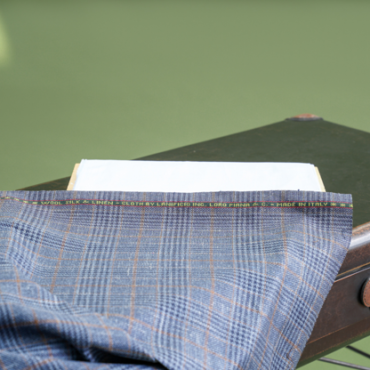
Versatile suits are usually made from lightweight wool blends, for good reason. Lightweight wool breathes well during long office hours and resists wrinkling through movement, holding up equally well in a meeting or at a casual gathering. A lightweight, breathable fabric matters because heavier fabrics tend to read as formal no matter how they’re styled, while fabrics that are too thin can look cheap in both formal and informal settings.
Color and pattern of the suit
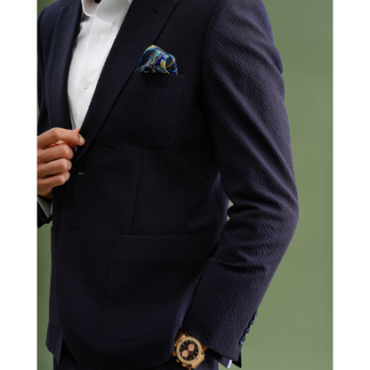
Color matters as much as fabric. Mid-grey, charcoal, and navy are easy to dress up or down, working for both professional and casual events without any real change needed. On weekdays these tones project professionalism, and on weekends they read as relaxed when paired with the right shirt. Subtle texture, such as a fine check, can also add personality to the suit without pushing it too far into formal or casual territory.
Cut and fit
An ultra-slim cut might suit a formal setting well, just as an ultra-boxy cut might suit a casual one, but neither works equally well across both. A lightly relaxed, modern fit has a much better chance of working across different settings. The goal is a silhouette that looks intentional in a corporate environment while staying comfortable enough for a casual event.
Details of construction
Certain elements of a suit’s construction often go unnoticed at first glance, though they matter more than they appear to. Soft shoulder construction, functional buttonholes, and canvassed interiors all influence how a suit moves and how it ages over time. This is why some business suits for men still look sharp after a couple of years, while others lose their shape within a few months of purchase.
Benefits of a versatile suit: beyond style
A versatile suit looks good, but the appeal goes well beyond appearance. A few practical benefits stand out:
- Saves money by removing the need to buy separate suits for formal and casual events, along with the time that would otherwise go into shopping for an additional one
- Simplifies packing for business trips that include a dinner or a weekend extension, since one suit covers all of it
- Reduces decision fatigue in the morning, leaving more time and energy for things that matter more
- Supports a more sustainable wardrobe by favoring fewer, better pieces that last longer
Conclusion
A versatile suit is no longer a compromise between formal and casual; it is a practical response to how work and life actually move through the day. The right business suits for men bring fabric, color, fit, and construction together into pieces that hold up across settings, rather than relying on any single detail alone.
Men looking to build a wardrobe around fewer, more adaptable business suits for men can get in touch with M2M to discuss fabric options, tailoring, and fit suited to a schedule that moves between meetings, dinners, and everything in between.
Frequently Asked Questions
Do versatile business suits work for both formal and casual occasions?
Yes. That is the central idea these suits are built around. As long as the color, fabric, and fit are chosen carefully, they serve both purposes well. Lightweight wool blends in neutral tones are generally the best choice for a suit that needs to move across different settings in the same day.
Do versatile suits cost more than regular formal suits?
Not necessarily. Many versatile business suits fall within the same price range as traditional formal suits, since the difference comes down to design choices rather than higher material costs.
What is the biggest mistake men make when buying a suit for multiple occasions?
Choosing a suit that leans too far toward formal or too far toward casual, so it only really works for one type of occasion. A fit that’s too tight, too boxy, or otherwise ill-suited compounds the problem. A suit designed purely for the boardroom or exclusively for casual settings tends to look out of place elsewhere, regardless of how it’s accessorized.